Why internships?
Gain a competitive edge.
Participating in an internship during college can significantly enhance a student's academic, professional, and personal development. Our journalism and mass communication graduates enjoy a 95% job placement rate six months after graduation, due in part to the skills acquired during their internship experiences.
The School of Journalism and Mass Communication collaborates with community newspapers and local nonprofits to create unique internship opportunities for its students. Learn more about our partnerships.
81 %
JMC students who complete at least one internship

"Throughout my internship, I’ve learned a lot about putting together news packages, finding different angles for stories, and strengthening my writing skills. Every day provides a new opportunity to learn more about the fast-paced world of broadcast journalism."
SCRIPT requirement
Courses designated as Internship by the University of Iowa and administered by the School of Journalism and Mass Communication may be used to fulfill the SCRIPT experiential learning requirement for students in the major. Browse course options.
What does an internship in this field look like?
An internship in any field of study should provide meaningful work that contributes to the organization and incorporates mentorship and feedback from a professional. Ideally, a student intern has the opportunity to learn new skills while experiencing workplace dynamics and professional collaboration.

News & print media
Assisting in content creation and reporting for newspapers, magazines, or other outlets by covering events, conducting interviews, writing and editing articles, localizing wire content, and rewriting press releases under tight deadlines.

Photojournalism & videography
Capturing and editing visual content for an organization by filming events, editing footage and photos, assisting with pre-production, managing media assets, and collaborating with editorial teams to support visual storytelling.

Sports media
Assisting with game coverage, writing recaps and features, creating social media content and post-game summaries, editing video highlights, conducting interviews, and supporting production for sports broadcasts or digital platforms.

Broadcast journalism
Supporting TV or radio production through scriptwriting, editing, and research. Operating broadcast equipment, interviewing sources, and contributing to content development for live or recorded segments.

Data analysis & audience research
Analyzing audience behavior and content performance using SEO and analytics tools. Learning how to track engagement, conduct research, create reports, and develop data-informed content strategies.

Strategic communications
Assisting with internal and external messaging by drafting newsletters, reports, and branding materials. Supporting content creation, research, and campaign coordination while learning about brand consistency.

Social media & content management
Creating and managing multimedia content for websites and social media platforms through planning, creating, and scheduling posts, tracking engagement, editing photos and videos, and designing graphics.

Public relations
Supporting public relations teams by writing press releases, managing media lists, assisting with campaigns, and creating public-facing materials while learning about public relations strategies and operations.


Course Options
Undergraduate students are encouraged to register for a course whenever they participate in an internship to ensure they receive academic credit or transcript documentation for their efforts. Most students in the major enroll in JMC:2100. Review frequently asked questions.
| Course | Title | Hours |
|---|---|---|
| JMC:2005 | Preparing for Internship Success Seminar | 2 |
| JMC:2100 | Internship in Journalism and Mass Communication | 0-3 |
| JMC:3700 | Nonprofit Internship | 3 |
| EVNT:3300 | Internship in Event Management | 3 |
| SMC:3600 | Internship in Sport and Media | 1-3 |
| SPST:3600 | Internship in Sport and Culture | 1-3 |
| WRIT:3900 | Writing: Undergraduate Internship | 1-3 |
| CCP:1201 | Academic Internship | 1-3 |
Internship in Journalism and Mass Communication
Course assignments are structured to encourage deeper reflection of the internship experience and guide students in making informed career choices.
To qualify, your internship must:
- Span at least one academic term
- Include 80% professional tasks related to your career
- Be supervised by a professional, not a student or relative
- Provide a minimum of 75 work hours over the length of the experience
Getting Started
Step 1
Search for an internship that resonates with your career interests. Opportunities can be found in Handshake, LinkedIn and department notifications. The Pomerantz Career Center offers more tips and resources on finding an internship.
Step 2
Schedule a meeting with the Internship Coordinator to determine whether your internship qualifies for credit and which course is most appropriate to enroll in.
Step 3
Register for an internship course on MyUI during the same academic term as the internship experience. Credit cannot be awarded retroactively.
FAQs
Am I placed in an internship?
No. You must search for and secure an internship yourself prior to registering for a course. For helpful tips and resources, review finding an internship on the Pomerantz Career Center's website.
Are internships paid or unpaid?
Most internships have some form of financial compensation, but not always. Internships can be paid or unpaid, full-time or part-time, and span several weeks to several months.
How many credits should I register for?
The number of credits to register for is determined by the total number of hours you expect to work at your internship. Students also have the option to register for 0 s.h. if they don’t want or need additional credit to meet graduation requirements.
| Minimum hours worked | Credit earned |
|---|---|
| 75 total hours | 1 s.h. (or 0 s.h.) |
| 150 total hours | 2 s.h. (or 0 s.h.) |
| 225 total hours | 3 s.h. (or 0 s.h.) |
Why would I enroll for 0 credit?
Students have the option to register for 0 semester hours if they don’t want or need additional credit to meet graduation requirements.
Registering for 0 s.h. allows you to:
- Document an internship experience on your transcript
- Eliminate tuition and fees associated with enrollment
- Fulfill the SCRIPT experiential learning requirement
Who qualifies as a professional supervisor?
A professional supervisor is someone who works for the organization on a consistent basis, directly oversees the intern’s daily work, and meets with the intern regularly to provide feedback. A professional supervisor may not be a student or relative. Your course instructor is not your supervisor.
Can I enroll in a course after I've completed my internship?
No. You must register for the course during the same academic term as your internship experience. Course assignments are designed to enhance your internship experience and must therefore be completed simultaneously.
What if I need to drop the course?
If you terminate your internship early and/or need to drop your internship course, you must initiate the change request on MyUI and follow university course deadline dates. If such a request is made after the drop deadline without authorization from your academic advisor, you will receive an unsatisfactory grade.
Our Partnerships
The School of Journalism and Mass Communication continues to invest in partnerships with community newspapers and local nonprofits to create unique hands-on learning opportunities for its students. These sustained collaborations allow student interns to work directly with editors or directors in a structured environment to produce high-quality content for the residents they serve.

Community Newspapers
Work alongside professional staff at the Solon Economist and Mount Vernon-Lisbon Sun.
Coralville Media Collaborative
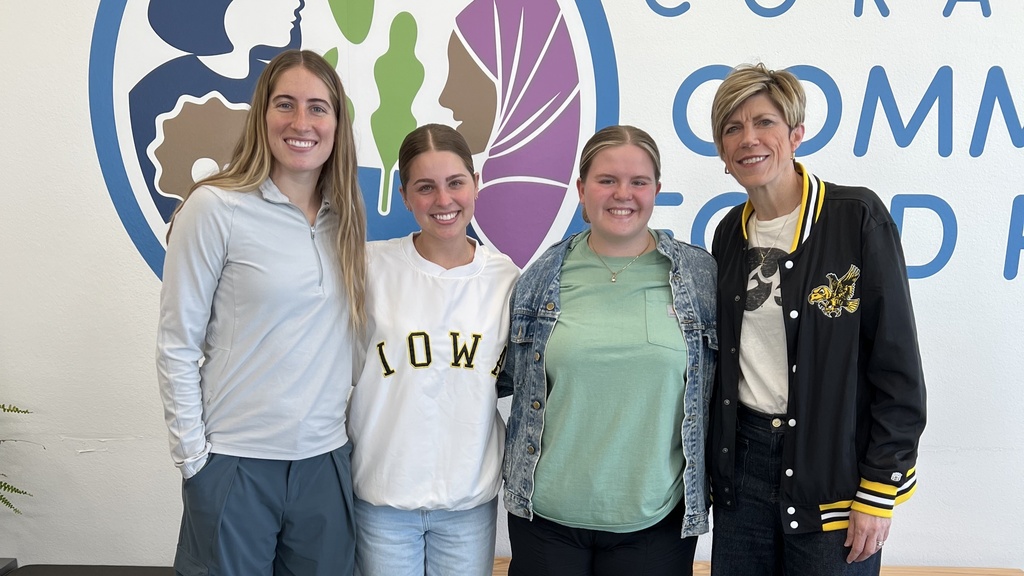
Connect with organizations and small businesses in the community.

MinnPost
Learn about reporting and more at an independent, nonprofit newsroom.
Who can help me?


Financial Support
School of Journalism and Mass Communication
SJMC awards more than $50,000 in salary stipends and scholarships every year to JMC students pursuing an internship experience.
Hawkeye Experience Grant
Undergraduate students receive stipends in variable amounts to support their living expenses while doing an unpaid or underpaid internship.