
Why research?
Deepen your understanding.
As an undergraduate student, diving into research allows you to deepen your understanding of complex issues and fuel your intellectual curiosity. Students in the School of Journalism and Mass Communication work side-by-side with faculty experts who are shaping the future of media research.
While traditional research opportunities are often associated with STEM fields, students in the humanities and social sciences gain equally valuable skills by participating in cutting-edge projects that integrate coursework with real-world applications. Whether you're exploring career paths or preparing for graduate school, research experiences strengthen your professional portfolio and pave the way for future academic and career success.
1 in 3

Distinguished Mentor Award
Bingbing Zhang, SJMC Assistant Professor, is a recipient of the 2026-2027 Distinguished Mentor Award, recognizing outstanding mentorship of undergraduate students in research and creative projects.
SCRIPT requirement
Courses designated as undergraduate research by the University of Iowa and administered by the School of Journalism and Mass Communication, as well as URES courses administered by the Office of Undergraduate Research, may be used to fulfill the SCRIPT experiential learning requirement for students in the major. Browse course options.
What does media research look like?
The School of Journalism and Mass Communication is a hub of cutting-edge research and creative work. Our faculty bring their expertise into classrooms and learning labs, giving students an opportunity to contribute to renowned research efforts.
Global media
Global media scholarship focuses on the production, distribution, and consumption of media in comparative international contexts. It encompasses a wide range of traditional and contemporary theories involving international media flows and counterflows, development communication, media and social change, cultural hybridity, and transnational popular culture.
Digital media
Digital media research examines the many ways contemporary life is experienced on and through digital and social media. This broad area of research includes studies of emerging technologies, media effects, platform studies, self-expression and meaning-making, digital campaigns by activists and organizations, mis/disinformation and information-sharing, and more.
Political communication
Political communication research examines the interactions among governments, media institutions, and societal actors in shaping decision-making processes, public opinion, and civic engagement. Scholars in this field investigate technology-mediated phenomena such as democratization, globalization, and political crises, employing methodological approaches ranging from qualitative content analysis to computational techniques.
Health communication
Health communication examines how health information contributes to the beliefs, behaviors, policies, and practices that promote health and well-being for individuals and the public. As an interdisciplinary field, health communication includes studies within the media effects tradition; health promotion efforts within public health; and critical studies that analyze health representation and stigma.
Sports media
Sports media research considers the deep and symbiotic relationship between commercialized media and commercialized sports in the United States and globally. It centers power and cultural struggle, seeking to better understand the institutional histories that have shaped sports media, and how dominant ideas about identity, institutions, and other cultural arrangements are justified, naturalized, and sometimes challenged in sports media.
Journalism studies
Journalism studies is concerned with the study of news and information within its historical, social, cultural, and epistemological contexts. It draws from the fields of sociology, media studies, and technology studies to study journalism as a practice, a cultural form, and an institution. It both embraces the vital importance of journalism in democratic society while interrogating many of the professional and normative assumptions that dominate journalism practice.

Student Spotlight
Bailey, an undergraduate sports broadcaster for HawkVision and writer for KRUI, collaborated on a research paper with Assistant Professor Bingbing Zhang titled Value-Motivated Use of Generative AI Among Student Journalists: Practices and Risk Management in College Newsrooms. The paper received a first place award at the AEJMC 2026 Conference.
Explore research opportunities on campus


Course Options
Undergraduate students are encouraged to register for a course when they participate in research activities to ensure they receive academic credit or transcript documentation for their efforts. Students may enroll in traditional stand-alone classes or pursue creative interests through an independent study course. See Independent Study Enrollment and FAQs for more information.
| Course | Title | Type | Hours |
|---|---|---|---|
| JMC:3118 | Political Communication | Stand Alone | 3 |
| JMC:3162 | AI and Media | Stand Alone | 3 |
| JMC:3510 | Media and Marketing Research | Stand Alone | 3 |
| JMC:4920 | Undergraduate Research | Independent Study | 0-3 |
| JMC:4955 | Honors Project | Independent Study | 3 |
| SPST:4999 | Honors Project | Independent Study | 1-3 |
| URES:399X | Undergraduate Research and Creative Projects | Independent Study | 0-4 |
Independent Study Enrollment

Step 1
Determine where your interests align with faculty research and contact potential mentors. Communicating with professors directly is the most effective means of identifying opportunities for undergraduate researchers.

Step 2
An independent study contract serves as a mentor/mentee agreement and outlines the research activities and expectations to successfully complete the course. A contract is required for permission to register.

Step 3
Register for an independent study course on MyUI during the same academic term as the research experience. Credit cannot be awarded retroactively.
Frequently Asked Questions
Stand alone vs. independent study?
Stand Alone Course
A standard academic course taught by faculty where students learn practical research skills and methodologies in the classroom. Simulated research activities are embedded directly into course assignments.
Independent Study course
Independent research conducted under the supervision of a faculty mentor outside the classroom. Students may either propose and conduct their own creative project or assist faculty with ongoing research efforts. Students must adhere to CLAS independent study policies.
What are the credit guidelines for an independent study?
For independent study courses that offer a range of credit options, students may self-select the number of semester hours to enroll in. In general, 3 hours of research activities per week is equal to 1 semester hour of credit.
| Minimum hours of participation | Credit earned |
|---|---|
| 3 hours research per week | 0-1 s.h. |
| 6 hours research per week | 2 s.h. |
| 9+ hours research per week | 3 s.h. |
Why would I register for 0 s.h.?
Students have the option to enroll in an independent study course for 0 s.h. if they don’t want or need additional credit to meet graduation requirements.
Registering for 0 s.h. allows you to:
- Document a research experience on your transcript
- Eliminate tuition and fees associated with enrollment
- Fulfill the SCRIPT experiential learning requirement
Can I receive credit hours and get paid?
No. Students cannot receive both academic credit and payment from the university for the same experience. Students who are being paid for their independent study project should register for 0 s.h. to document their participation in research. See financial support for more information on compensation.
What are URES courses?
URES courses are administered by the Office of Undergraduate Research and serve to fill gaps in departments that don't have program-specific undergraduate research courses. JMC majors may enroll in URES courses to document independent research projects outside the School of Journalism and Mass Communication (e.g., second area of study) while still fulfilling the SCRIPT experiential learning requirement.
What are typical research tasks?
Tasks that an undergraduate researcher in journalism and mass communication might perform include:
- Literature searches–reviewing existing research and academic papers relevant to the project
- Coding or content analysis–analyzing media content to understand patterns, themes, and biases
- Identifying interview participants–recruiting and organizing focus group interviews
- Transcribing interviews–converting audio or video recordings into written text
- Editing manuscripts–proofreading the content of the research and verifying citation style
How much time am I expected to work?
In general, students are expected to participate in research activities in minimum of 3 hours per week when enrolled in an independent study course. The workload may vary from week to week depending on the stage of the research project. The best approach is to talk with your faculty mentor ahead of time to set expectations and negotiate a manageable workload.
Where can I present my research?
All students involved in mentored research or creative work are invited to present their work at the Fall Undergraduate Research Festival (FURF) and Spring Undergraduate Research Festivals (SURF). Students may utilize posters or other visual displays to showcase their contribution to research. More information on the events and poster design resources can be found at:
Can I register for an independent study after my project is completed?
No. You must register for the course during the same academic term as your research experience and follow university registration deadlines. Credit cannot be awarded retroactively.
Earn while you learn
The Center for Social Science Innovation employs students to assist with survey design, pilot testing, and data collection.
Who can help me?
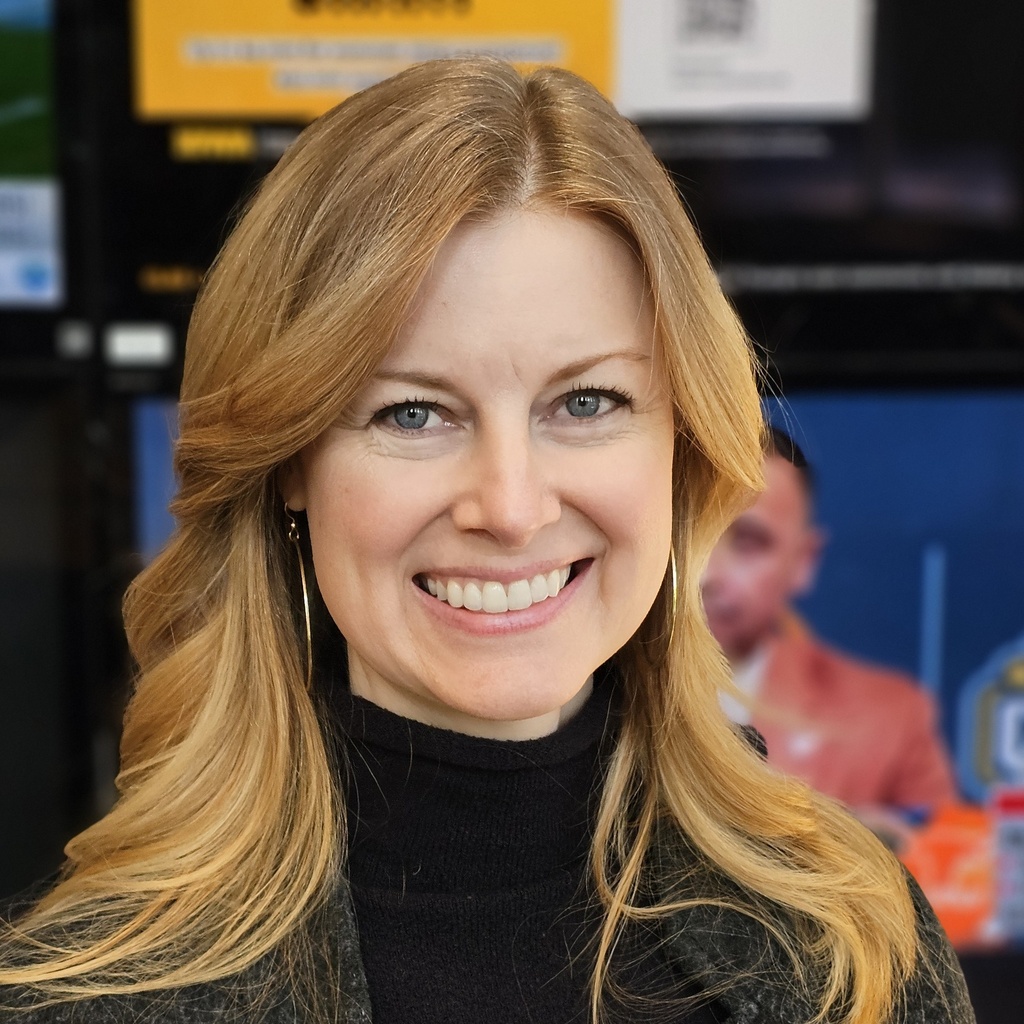
Tamara Ewoldt
tamara-ewoldt@uiowa.edu
W113 Adler Journalism Building
Financial Support
School of Journalism and Mass Communication
As an alternative to receiving academic credit, students enrolled in JMC:4920 for 0 semester hours are eligible to receive a one-time stipend of $500 for engaging in research with SJMC faculty. Stipend requests must be initiated by the faculty mentor and approved by the department DEO. Students cannot receive an SJMC stipend if they are already being paid for the same research activities.
Office of Undergraduate Research
The Office of Undergraduate Research offers student financial awards, including $2,500-$3,000 fellowships, travel funds, supply grants, and reimbursement for poster printing.
College of Liberal Arts and Sciences
The College of Liberal Arts and Sciences is committed to promoting opportunities for faculty and students to collaborate in research. Opportunities for faculty members to support undergraduate students working with them on research projects can be found on the CLAS website.
Hawkeye Experience Grant
The Hawkeye Experience Grant awards stipends in variable amounts up to $4,000 for undergraduate students who are involved in applied learning experiences outside of the classroom.