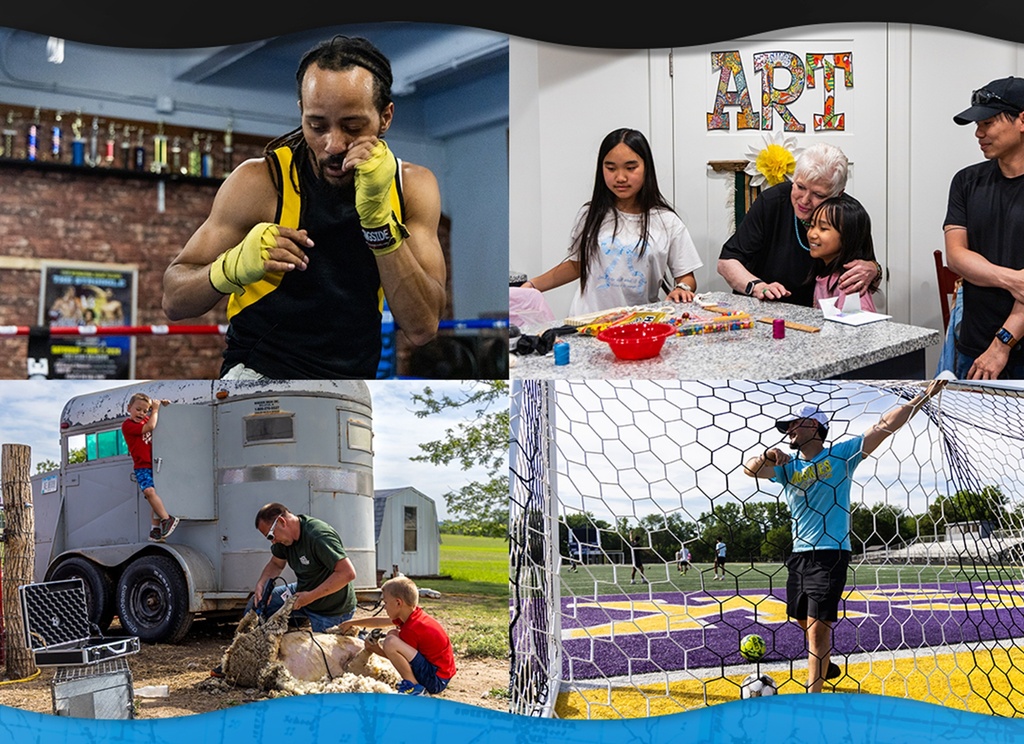
The Iowa Stories and Lived Experiences (ISLE) multimedia workshop’s overarching goal and unofficial motto is “community building through community storytelling.”
The 2026 ISLE project, Where The River Bends launched on June 6. Through a striking and evocative combination of multimedia, including writing, photography, and videography, the project brought forth compelling stories regarding how the past of Muscatine, Iowa, continues to influence its present.
The project indeed fulfilled its goal and motto.
The entire project was produced by 14 students over 16 days. Students involved in this project included Grace Escritt, Alec Bauer, Natalie Jasso, Myranda Nelson, Ethan McLaughlin, Alayna Larson, Sarah Fournier, Hannah Neuville, Jolie Archer, Shreya Reddy, Gabby Drees, Emma Calabro, Kabedi Mutamba, and Sophia Restiffe-Favoretto. Instructors included Leah Latella, John Richard, Kevin Ripka, and Alex Scott.
The particular stories highlighted included a look at Muscatine’s history and impact as the Pearl Button Capital, its agricultural produce legacy, its cross-cultural connections with its sister state through the People’s Republic of China (PRC), and the generational impact of boxing in the community.
The workshop took place in three different stages, explained reporter Grace Escritt. The initial days were spent in Adler, where the students listened to different lectures and presentations from the instructors regarding what to expect. “We had quite a bit of training going into the actual workshop,” said Escritt.
A week later, the students and faculty spent about seven days in Muscatine focusing on production: connecting with different sources, conducting interviews, and getting the necessary video. During nightly sessions, participants would go over the content they had produced and check in on progress.
Returning from Muscatine awaited the busiest week of the three. The focus was on post production and putting everything together. The work was more independent than the previous weeks, noted Escritt.
The workshop was predicated on the major logistical and narrative challenges of completing the entire project in just 16 days while skillfully integrating the various storytelling modes to tell a rich story without repetition or redundancy.
“This year was particularly challenging for students, as they had to weave many different sources’ experiences into a coherent narrative,” said co-director and photography mentor, Alex Scott. “We watched each team overcome this challenge through tireless collaboration in storyboarding exercises and peer critiques.”
The workshop was designed to be intensive and immersive so students would gain a combination of technical skills in photography, video, and narrative writing, interpersonal skills, such as community engagement and collaborative storytelling with team members, and multimedia narrative skills.
“Ultimately, the students finished with an excellent project for their portfolio and an understanding of the skills and determination necessary to complete impactful multimedia projects,” said Scott
The students gained skills and lessons that cannot be taught in a classroom alone. Photographer Natalie Jasso explained that as a journalism student, it feels like a lot of handholding when you’re working in the classroom, whereas a project like this allows students more autonomy and agency that replicates a real-world experience in the field. “It meant more to me,” said Jasso.
Not only did students grow stronger in their confidence and skills, but they also developed meaningful connections and cooperative abilities within the team and community.
“You really learn how to work with a lot of different people with different opinions or different approaches, but you learn to make sense of it all in the end,” said student coach Sophia Restiffe-Favoretto.
The project furthermore helped to develop and guide the students’ academic ambitions and career goals. For Jasso and Escritt, it helped them take pride and confidence in their work and abilities. For Restiffe-Favoretto it reaffirmed and made obvious to her the work she loves doing, teaching and helping others.
At the end of production, it was incredibly rewarding for the team to see their hard work come together to make a meaningful impact.
The day after the project was completed, the team hosted a community viewing event in Muscatine, which was met with an overwhelmingly positive response. “There were some tears, some laughter, but most of all, a tremendous feeling of pride in their community,” said Scott.
Part of the mission of the ISLE workshop is to prove that fascinating, impactful, and high-quality journalism can happen anywhere at any time. “Students don’t need to study abroad or look beyond their own backyard to tell a powerful story,” explained Scott. This aspect of the workshop furthermore helps to make groundbreaking journalistic storytelling accessible and to encourage students to go out and find the stories and beauty in what might otherwise be overlooked.
“Iowa, it’s not just corn,” said Restiffe-Favoretto. “It’s individual stories that make this state, and there are so many unique and important stories that no one will think about unless they’re shared and told.”
Where the River Bends will premiere at FilmScene in Iowa City on April 3, 2027.